Jennifer Hill - 16 / Mar / 2026
The Blackstone’s Guide to Dutch Ovens: How to Use, Clean, and Choose the Right Size
Learn how to use, clean, and care for an enameled cast iron Dutch oven. A complete guide to Le Creuset, Staub, and Made In cookware from Blackstone’s.
How to Care for and Use an Enameled Cast Iron Dutch Oven
A Blackstone’s Guide to Le Creuset, Staub, and Made In
If you cook regularly — there’s one piece of cookware we recommend to almost everyone who walks into our shop on Charles Street: a good enameled cast iron Dutch oven.
Whether you’re braising short ribs on a snowy Boston Sunday, simmering a tomato sauce, or baking crusty bread, a Dutch oven from brands like Le Creuset, Staub, or Made In can handle it all.
At Blackstone’s of Beacon Hill, we’ve been helping home cooks choose the right cookware for nearly two decades. Our advice is simple: buy a great Dutch oven, treat it well, and it will serve you for a lifetime of cooking (like how to care for a good knife or how to season a cast iron pan - read more about these in other blogs).
Here’s how to use it, care for it, and keep it looking beautiful for years.
First Things First: What Is a Dutch Oven?
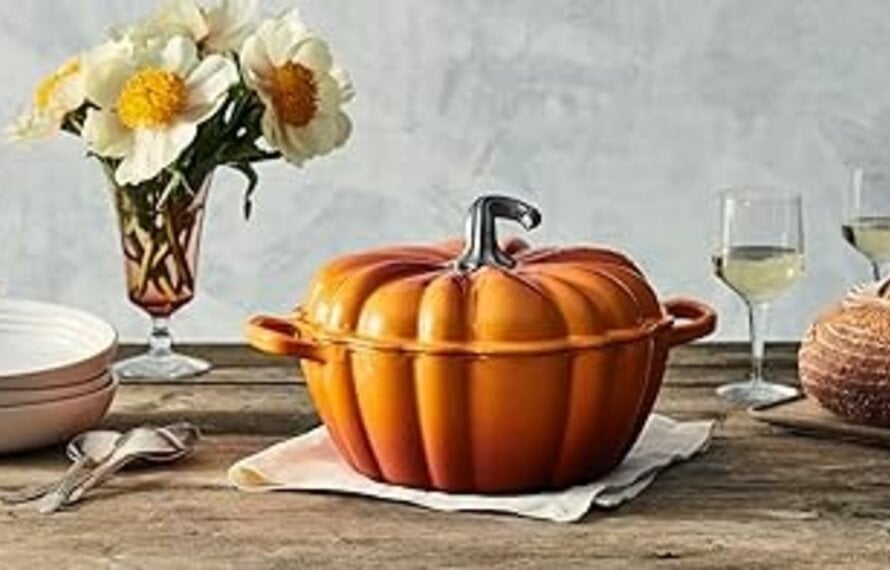
A Dutch oven is a heavy cast iron pot with a tight-fitting lid designed for slow, even cooking. The enamel coating on modern versions prevents rust and eliminates the need for seasoning.
That enamel layer is why brands like Le Creuset, Staub, and Made In are so beloved. It allows you to cook acidic ingredients—like wine, tomatoes, or citrus—without damaging the cookware.
It’s also why these pots can move effortlessly from stovetop to oven to table, making them one of the most versatile tools in any kitchen.
(And yes—if you’re wondering, it also happens to look pretty great sitting on your stove. Good cookware should earn its counter space.)
A Slightly Silly Side Note: Why Is It Called a “Dutch Oven”?
Before we continue, let’s clear something up.
Yes… the phrase “Dutch oven” has acquired a few non-culinary meanings in modern slang. We promise that in the kitchen world, it simply refers to a beautiful, hardworking cooking pot.
The real origin goes back to the early 1700s, when English manufacturers learned advanced cast iron casting techniques from the Dutch. An English metalworker named Abraham Darby adopted the Dutch process and began producing similar cookware. The style became known as a Dutch oven in honor of that Dutch method.
So while the name sometimes gets a laugh in the store, the cookware itself has a serious culinary pedigree.
And thankfully, the kitchen version smells much better.
Why Enameled Cast Iron Is So Popular
Enameled cast iron combines two important qualities:
Cast Iron Performance
- Exceptional heat retention
- Even cooking temperatures
- Ideal for braising and slow cooking
Enamel Convenience
- No seasoning required
- Easy to clean
- Non-reactive surface
This combination makes Dutch ovens perfect for:
- Braised meats
- Soups and stews
- Bread baking
- Chili and tomato sauces
- One-pot meals
In other words, if your recipe begins with “cook low and slow,” this pot is about to become your best friend.
How to Cook with a Dutch Oven
One of the biggest surprises for new owners is that you don’t need high heat.
Start with Medium Heat
Cast iron retains heat extremely well. Most cooking works best on low to medium heat, which prevents scorching and sticking.
If your burner is blasting away like you’re trying to melt steel, the pot will politely remind you by burning the onions.
Don’t Preheat an Empty Pot
Always add oil, butter, or ingredients before heating. Heating an empty Dutch oven can damage the enamel over time.
Think of it like warming up a good pan for cooking—not like preheating a pizza stone for a brick oven.
Avoid Thermal Shock
Don’t put a hot Dutch oven under cold water or add cold liquid to a very hot pot. Sudden temperature changes can stress the enamel coating.
Cast iron is tough, but it still appreciates a little respect for physics.
Use the Right Utensils
Stick with:
- Wooden spoons
- Silicone tools
- Nylon utensils
Metal utensils can scratch enamel over time.
Also, wooden spoons just feel right when you’re stirring something that’s been simmering for three hours.
How to Clean an Enameled Dutch Oven
Thankfully, this cookware is much easier to clean than traditional cast iron.
Everyday Cleaning
- Allow the pot to cool before washing
- Use warm water and mild dish soap
- Clean with a soft sponge or cloth
- Dry thoroughly before storing
While some manufacturers say the cookware is dishwasher safe, hand washing is always the best way to protect the enamel finish.
Plus, if you’ve just made something delicious, there’s a good chance everyone in the kitchen will be hovering nearby with bread anyway—so the pot probably won’t stay dirty long.
How to Remove Stubborn Stains or Burnt Bits
Even great cooks occasionally scorch a pot—especially during long braises or caramelized sauces.
Here are a few safe fixes.
Baking Soda Method
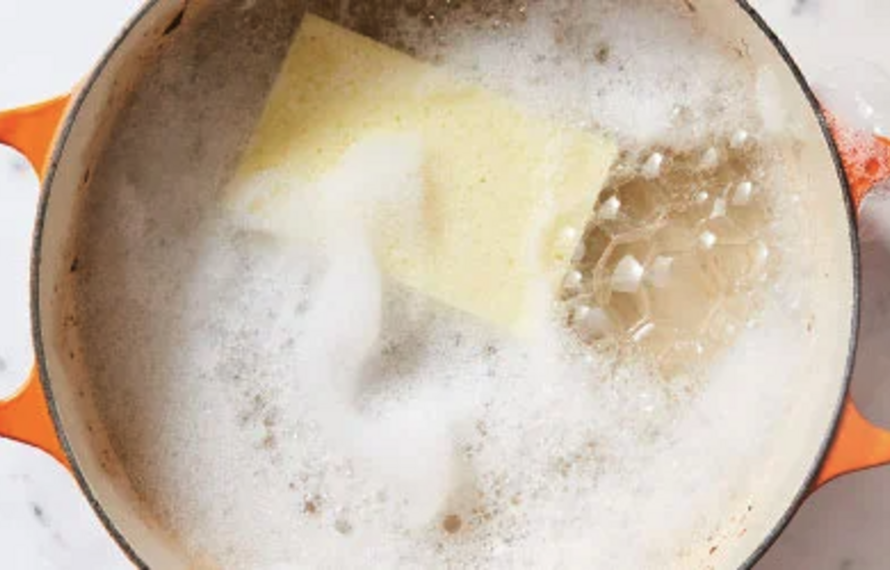
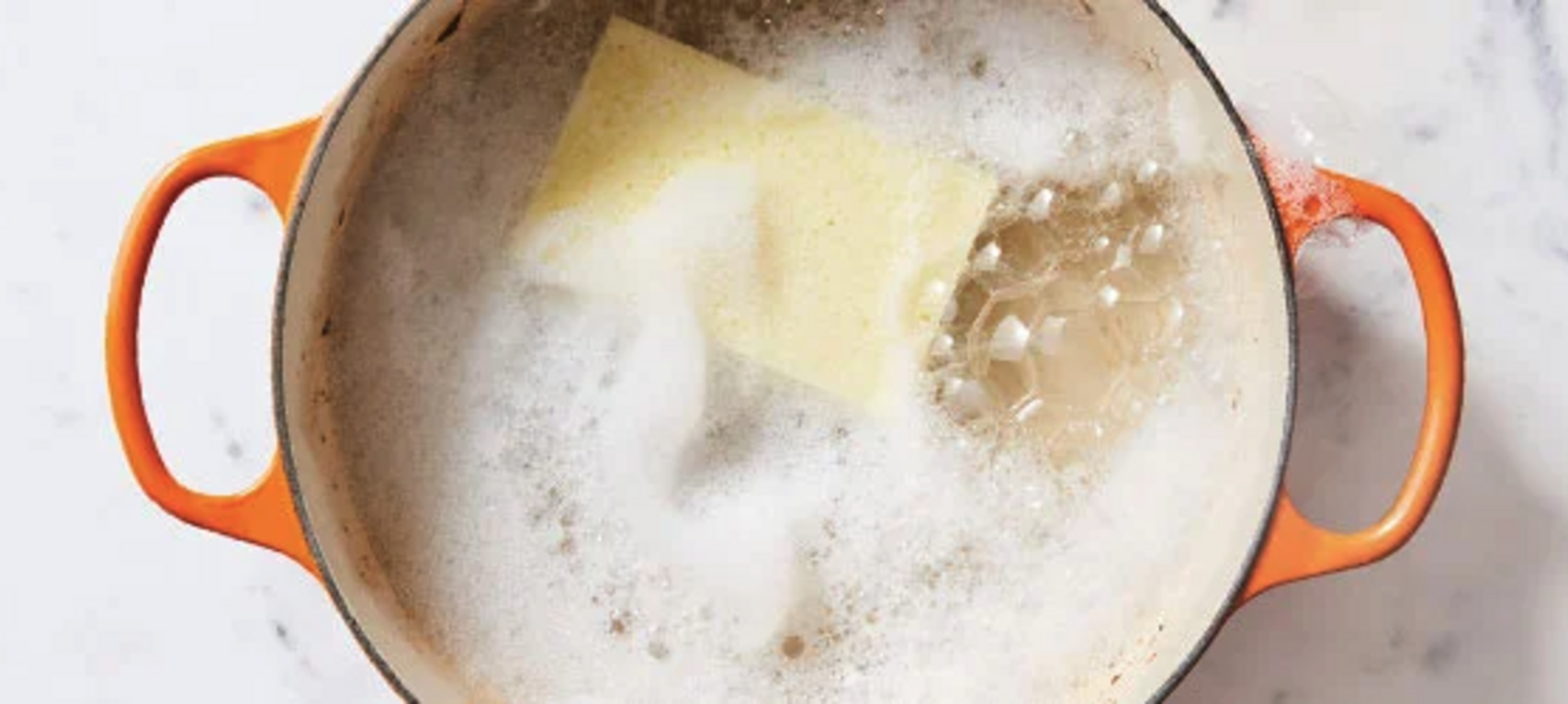
Fill the pot with water and add a spoonful of baking soda. Bring it to a gentle simmer for a few minutes to loosen residue.
Gentle Soak
Warm water and dish soap with a 20–30 minute soak will usually take care of most stuck-on food.
What to Avoid
Never use:
- Steel wool
- Harsh abrasives
- Oven cleaner
Your Dutch oven is incredibly durable—but it still prefers a gentle scrub over medieval torture devices.
Keeping Your Dutch Oven Looking Beautiful
High-quality cookware like Le Creuset, Staub, and Made In is designed to last decades—but a few habits will help keep it looking new.
Dry Before Storing
Always dry the pot completely to prevent mineral spotting.
Protect the Lid
If stacking cookware, place a towel or cookware protector between pieces.
Remove Staining Naturally
A baking soda paste can gently remove discoloration without harming the enamel.
Think of it as spa treatment for cookware.
Our Favorite Dutch Oven Brands
At Blackstone’s we regularly recommend a few standout brands.
Le Creuset
The classic French Dutch oven. Known for vibrant colors, smooth enamel, and exceptional durability.
Staub
Beloved by professional chefs for its darker interior enamel and excellent moisture retention.
Made In
A newer brand that has quickly gained attention for high-performance cookware and modern design.
If you’re not sure which size or brand is right for your kitchen, we’re always happy to help you figure it out.
Why Every Kitchen Should Have One
If we had to recommend just one “lifetime” piece of cookware, it would be a Dutch oven.
It’s versatile enough for everyday meals, durable enough to last decades, and beautiful enough to live right on your stovetop.
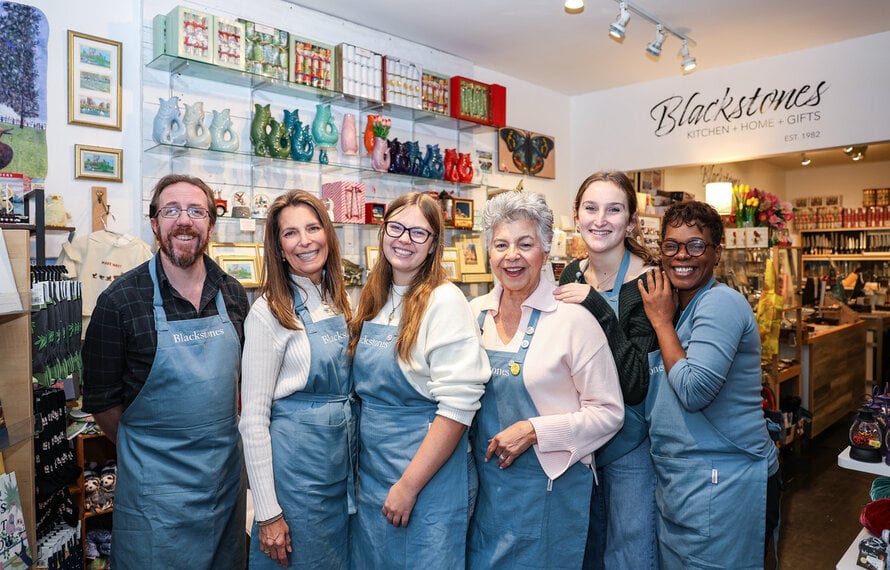
And if you ever have questions about cookware—or just want to talk recipes—stop by Blackstone’s on Charles Street in Beacon Hill.
We love helping people cook better at home.
And if you leave with a Dutch oven, there’s a good chance it’ll still be in your kitchen twenty years from now, probably simmering something wonderful.
What Size Dutch Oven Should You Buy?
One of the most common questions we hear in the shop is: “What size Dutch oven do I actually need?”
The short answer: it depends on how many people you’re cooking for—but there are a few sizes that tend to work best for most kitchens.
3–4 Quart Dutch Oven
Best for 1–2 people or small dishes.
Great for:
- Side dishes
- Small soups
- Rice or grains
- Heating leftovers
It’s a handy size, but for most home cooks it’s usually a second Dutch oven rather than the first one to buy.
5–5.5 Quart Dutch Oven (The Sweet Spot)
If you’re buying your first Dutch oven, this is usually the size we recommend.
It’s perfect for:
- Weeknight dinners
- Pasta sauce
- Chili
- Bread baking
- Braised chicken or short ribs
This size comfortably feeds 2–4 people, which makes it the most versatile option for everyday cooking.
It’s also the classic size you’ll see in many Le Creuset and Staub kitchens around Boston.
6–7 Quart Dutch Oven
Ideal for families or anyone who likes to cook big batches.
Great for:
- Large soups and stews
- Sunday sauce
- Braised meats
- Entertaining
If you regularly cook for 4–6 people, this is an excellent choice.
It also happens to be the size many home bakers prefer for no-knead bread.
Our Advice From the Shop
If you’re deciding between sizes, we usually recommend going slightly bigger.
A Dutch oven works beautifully even when it’s not completely full—but it’s frustrating when the pot you bought turns out to be too small for your favorite recipes.
And if you ever want to see the sizes in person, lift the lids, and compare brands, come visit us at Blackstone’s of Beacon Hill on Charles Street. We’re always happy to help you find the right piece for your kitchen.
Because the best Dutch oven isn’t just the one that looks good on the shelf—
it’s the one that ends up cooking dinner for years to come.